
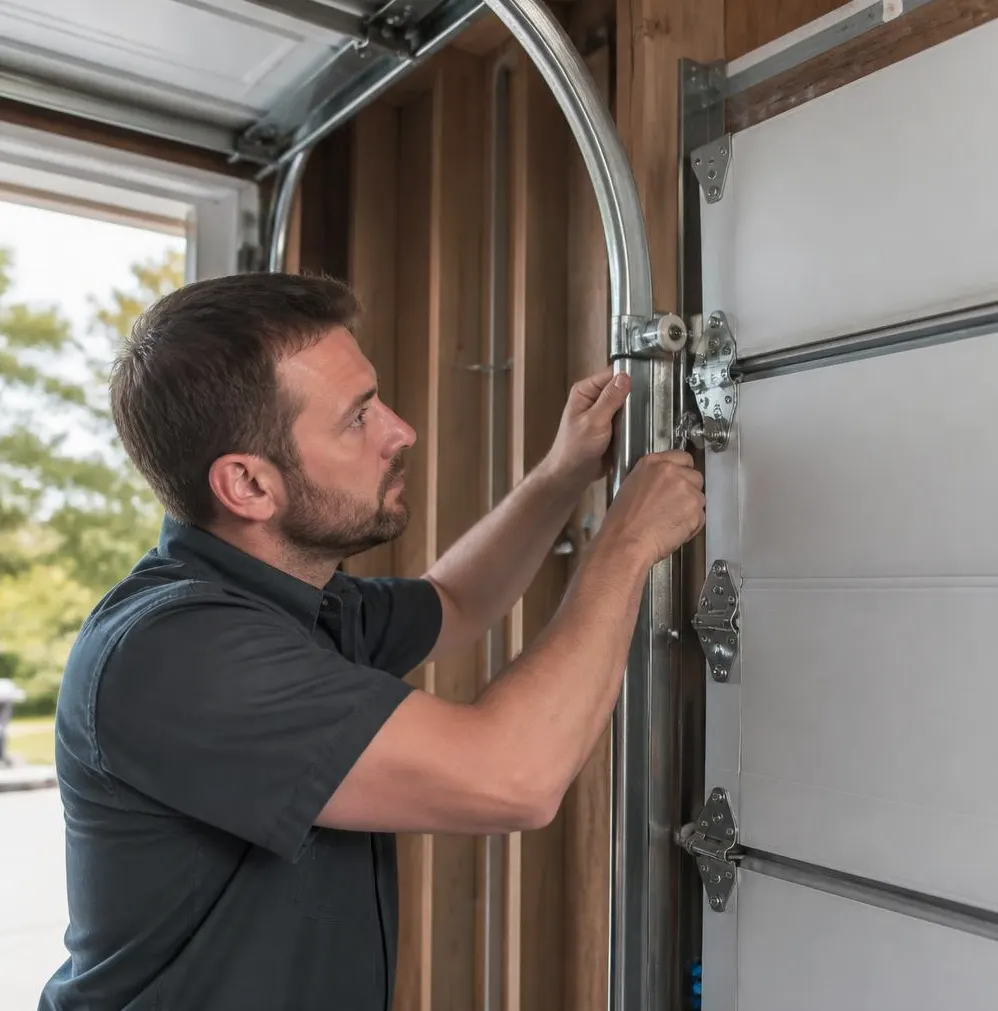
What a Technician Sees on the First Cold Snap
Every year it's the same pattern. Temperatures drop into the 30s overnight for the first time since spring, and the next morning the service calls start rolling in. A door that opened smoothly all summer suddenly groans halfway up. A homeowner backs out for work and the opener strains, clicks, and stalls. Nine times out of ten, it's not a new problem — it's an old one that humidity and heat were masking, and the first real cold of the season just brought it to the surface. Metal contracts, old grease thickens, and any rust that crept in during hurricane season finally makes its presence known.
Check the Weatherstripping and Seals
The rubber seal along the bottom of the door and the strips along the sides do more work in this part of Florida than people realize. After a summer of afternoon downpours and high humidity, that rubber is often cracked, flattened, or pulling away from the track. A failed seal lets in cold air, but more importantly for this area, it lets in water during winter rain events and gives pests an easy entry point once they start looking for warm, dry shelter.
- Run a hand along the bottom seal — if it's stiff, cracked, or has gaps you can see daylight through, it needs replacing.
- Check the side and top weatherstripping for the same brittleness.
- Replacement seal kits are inexpensive and are one of the few garage door fixes a handy homeowner can do without special tools.
Inspect Hardware for Rust and Corrosion
Hinges, rollers, track bolts, and spring coils all take a beating from the humidity and salt air common across this part of Suwannee County. Surface rust that looked minor in August can seize a hinge or roller by winter, especially once overnight temperatures start swinging. A stiff roller doesn't just make noise — it forces the opener motor and the springs to work harder than they're rated for, which shortens their life.
- Look at the hinges and roller stems for orange or reddish discoloration.
- Check that track bolts and the brackets holding the track to the frame are tight and not visibly corroded.
- If rollers are worn, pitted, or no longer turning freely, cable and roller replacement now is cheaper than an off-track repair later.
Lubricate the Right Parts, the Right Way
Cold makes old grease stiff, and stiff grease on springs, hinges, and rollers is one of the most common causes of a door that suddenly sounds rough in winter. A light application of garage-door-specific lithium or silicone lubricant on the hinges, rollers, and springs — not the track itself, and not WD-40, which attracts dust and grit — keeps everything moving freely as temperatures drop.
- Lubricate hinges, roller stems, and the spring coils.
- Wipe excess lubricant off the track; a dry, clean track is what you want, not a greasy one.
- Do this every few months, not just once a year — the humidity here breaks lubricant down faster than in drier climates.
Test the Balance and Auto-Reverse
Temperature swings change how springs perform, and a door that was balanced in July can be noticeably off by December. An unbalanced door puts extra strain on the opener and is more likely to slam or drop unexpectedly.
- Disconnect the opener and lift the door manually halfway. It should stay in place on its own. If it drifts up or falls, the springs need adjustment.
- Test the auto-reverse safety feature by placing a block of wood on the ground where the door closes — it should reverse immediately on contact.
- If either test fails, this is spring-related and not a DIY fix. Torsion springs are under heavy tension and require the right tools and experience.
Opener Battery Backup and Sensors
Winter storms in North Florida can still knock out power, and a dead backup battery in the opener means a manually operated door until power's restored. Check that the backup battery holds a charge, and while you're at it, wipe down the photo-eye sensors near the floor on each side of the track — dust and spiderwebs built up over the fall can cause the door to refuse to close, which looks like an opener problem but usually isn't.
If the Garage Doubles as a Workshop or Extra Living Space
For homeowners who use the garage for more than parking — a workshop, a home gym, overflow storage — temperature swings matter more. An insulated door section or added weatherstripping can keep the space more usable through the cooler months and reduce condensation on tools and equipment, which is a common complaint once humidity and cold air mix inside an uninsulated garage.
When to Call Mcalpin Garage Door Experts
If the door is grinding, sticking partway, or the balance test shows it's not holding position, that's past the point of a homeowner fix. It usually means worn rollers, early-stage rust damage, or springs that have lost tension — any of which can turn into a full off-track repair if the door is forced open and closed while it's struggling. Our garage door maintenance service covers the full inspection — hardware, balance, lubrication, and seals — in one visit, and if we find worn rollers or cables during that check, our cable & roller replacement service gets ahead of the problem before it leaves you with a door stuck halfway open on a cold morning.
If you're in Mcalpin, Live Oak, O'Brien, Branford, Wellborn, Mayo, Dowling Park, or Lee and want your garage door checked before winter settles in, call Mcalpin Garage Door Experts. We'll have a technician out to inspect, adjust, and repair whatever the season's already started to wear down.